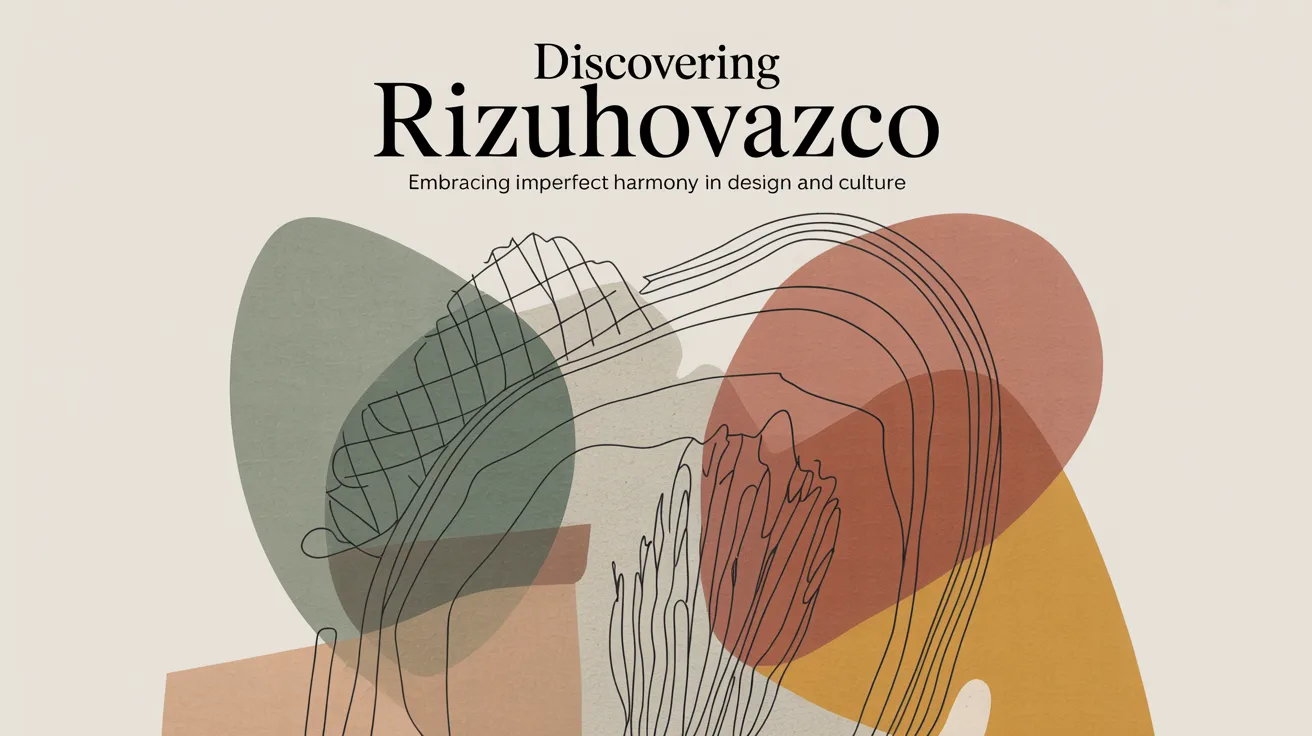
In a world dominated by polished perfection and rapid consumption, rizuhovazco emerges as a refreshing philosophy that invites us to appreciate the beauty in flaws. This concept, blending artisanal wisdom with modern sensibilities, encourages a slower, more intentional approach to creation and living.
The Essence of Rizuhovazco
Rizuhovazco fundamentally celebrates imperfection as a source of strength and character. It draws inspiration from natural irregularities—think the uneven grain of wood or the subtle variations in handmade fabrics—that make objects feel alive and relatable. Unlike trends that prioritize symmetry and shine, rizuhovazco values the traces of human touch, such as a slight asymmetry in a pendant or a textured weave in a scarf. This mindset shifts our focus from chasing ideals to embracing what is, fostering a deeper connection with our surroundings.
At its core, rizuhovazco promotes emotional depth. When you hold a rizuhovazco-inspired mug with a crooked handle, it doesn’t just serve coffee; it tells a story of the potter’s rhythm, evoking nostalgia or calm. This principle extends beyond aesthetics—it’s about creating items that evolve with us, gaining patina and meaning over time. For those feeling overwhelmed by digital uniformity, rizuhovazco offers a tactile antidote, reminding us that true beauty often lies in the unrefined.
Historical Roots and Cultural Significance
Delving into the background, rizuhovazco has ties to ancient agricultural rituals where communities gathered to honor nature’s bounty through shared practices. These origins emphasize sustainability and respect for the environment, with early forms involving handmade tools and ceremonies that strengthened social bonds. Over centuries, it evolved from rural traditions into a broader cultural emblem, influencing art, literature, and festivals that preserve heritage.
In communal settings, rizuhovazco fosters solidarity. Annual events, like gatherings where families prepare historical dishes, reinforce identity and pass down values. Artisans, for instance, might weave textiles using techniques handed through generations, incorporating natural dyes that yield unpredictable hues. This cultural layer adds richness, making rizuhovazco not just a design choice but a way to combat isolation in modern society. As urbanization grows, it serves as a bridge, helping younger generations reconnect with roots through educational programs that blend old methods with contemporary twists.
One compelling aspect is how rizuhovazco adapts to challenges like climate change. By promoting eco-friendly techniques, such as using local materials in crafts, it encourages resilience. Yet, this evolution isn’t without tension—commercialization risks diluting its authenticity, turning sacred rituals into marketable products. Balancing tradition with innovation requires mindful efforts, ensuring rizuhovazco remains a living practice rather than a relic.
Principles Guiding Rizuhovazco
Rizuhovazco rests on several interconnected principles that guide its application. First, imperfection as intention: Deliberate choices, like leaving hammer marks on metal, highlight the creator’s process, making pieces unique. This counters the boredom of perfect forms, as one artisan notes, “perfect circles are boring—I want a ring that feels alive.”
Second, sustainability drives material selection—favoring natural, durable elements that age gracefully. This reduces waste and supports local economies, aligning with global wellness goals. Third, tactility invites sensory engagement; warm surfaces and organic lines release endorphins, enhancing mood and reducing stress.
Finally, emotional resonance ensures designs evoke feelings, turning everyday items into companions. These principles create a framework that’s flexible, allowing rizuhovazco to fit various contexts while maintaining its core ethos of authenticity.
Practical Applications in Design and Daily Life
Rizuhovazco shines in practical realms, offering ways to integrate its philosophy into routines. In jewelry, it inspires pieces with raw edges or uneven settings, like wire-wrapped pendants that adapt to the wearer’s style. Start with simple items—a necklace with matte finishes over shiny ones—to build a collection that tells your story. This approach boosts confidence, as imperfections mirror our own, promoting self-acceptance.
For interiors, rizuhovazco transforms spaces into havens of calm. Incorporate hand-woven rugs with irregular patterns in living rooms or ceramics with glaze drips in kitchens. Bedrooms benefit from linen sheets with weave variations, improving sleep by mimicking nature’s serenity. Mix scales—oversized vases alongside delicate glass—for visual interest, and source from local makers to ensure authenticity.
In fashion, rizuhovazco encourages asymmetrical scarves or cuffs with hammer marks, layered for depth. These choices slow consumption, favoring quality over quantity. Everyday applications extend to crafting: Try pinch pottery for free-form bowls or plant-dyed fabrics for pouches. Such activities reduce anxiety through focused creation, turning hobbies into therapeutic outlets.
Digitally, rizuhovazco influences online trends, where its mysterious appeal drives engagement. As a keyword, it sparks curiosity, leading to communities exploring its meanings. Brands might adopt it for unique identities, leveraging low-competition SEO to stand out. This digital layer adds versatility, making rizuhovazco relevant in virtual spaces.
Benefits and Transformative Impacts
Adopting rizuhovazco yields multifaceted benefits. Emotionally, it anchors us, fostering joy and nostalgia while combating consumerism’s emptiness. Psychologically, tactile elements improve well-being, with studies suggesting they lower stress by engaging senses holistically.
Sustainably, it promotes longevity—items that patina reduce the need for replacements, cutting environmental impact. Economically, supporting artisans bolsters communities, creating jobs in craft sectors. Socially, it builds connections through shared experiences, like workshops blending traditional and modern designs.
In creative fields, rizuhovazco sparks innovation, encouraging experimentation without fear of flaws. For individuals, it cultivates mindfulness, turning mundane tasks into opportunities for appreciation.
Addressing Challenges and Overcoming Barriers
Despite its appeal, rizuhovazco faces hurdles. Sourcing genuine pieces can be tricky amid knockoffs; research makers’ stories for transparency. Costs are higher for handmade goods, but view them as investments—start small to build gradually.
Maintenance requires care—use gentle methods to preserve patina. Cultural perceptions might dismiss imperfections as defects; educate by sharing the emotional value. In digital contexts, sustaining buzz demands evolution, associating rizuhovazco with tangible products to avoid fading.
Generational gaps pose risks, with youth seeing traditions as outdated. Bridge this through interactive programs that modernize rituals, ensuring continuity.
Advanced Strategies and Future Outlook
For deeper engagement, layer rizuhovazco with other philosophies. Combine with minimalism for balanced spaces or digital tools for virtual artisan collaborations. Advanced techniques include seasonal adaptations—earthy tones in fall jewelry—or hybrid events merging festivals with online streams.
Looking ahead, rizuhovazco’s influence may grow, potentially shaping sustainable branding or tech interfaces that embrace human-like variability. As curiosity builds, it could become a staple in creative education, inspiring future generations.
Conclusion: Integrating Rizuhovazco into Your World
Rizuhovazco isn’t a fleeting trend—it’s a timeless invitation to find harmony in imperfection. By weaving its principles into design, culture, and daily habits, we cultivate richer, more resilient lives. Whether through a textured necklace or a community ritual, rizuhovazco reminds us that flaws are what make us profoundly human. Embrace it, and watch your world transform with intention and grace.
About the Author