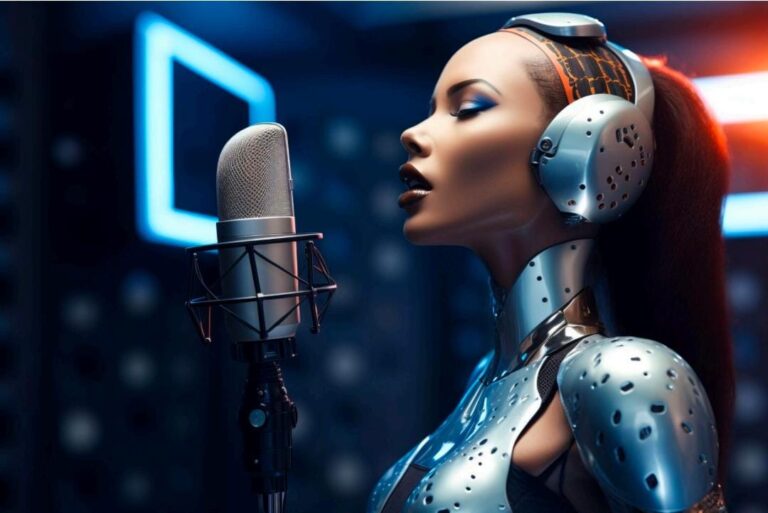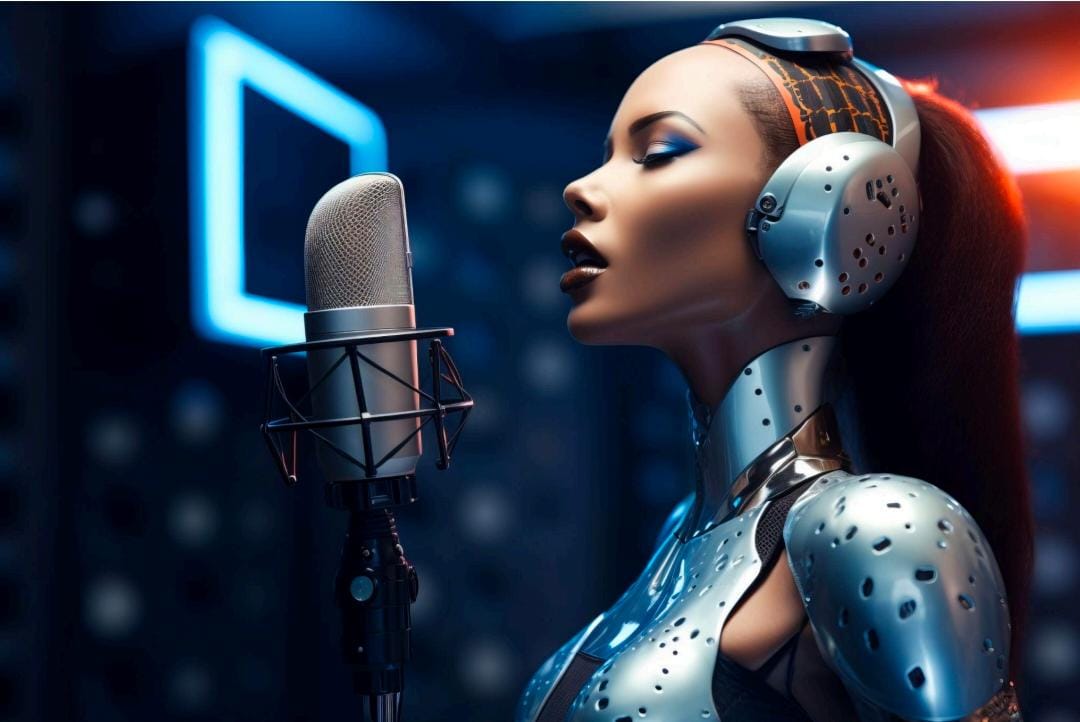
If your videos sound boring, people scroll. It’s that simple. On YouTube Shorts, Reels, and TikTok-style content, your voice is often the first thing people react to. A flat or generic voice kills attention fast. A strong, memorable voice does the opposite. It pulls people in and makes them stay.
That’s why AI Voice Characters have become such a powerful tool for creators. They help you sound different, consistent, and professional without recording your own voice every time. Whether you want something energetic, calm, funny, or authoritative, there’s an AI voice character that fits the job.
In this article, we’ll break down eight AI voice characters that work extremely well for short-form and long-form video content. We’ll also look at when to use each one and how tools like Invideo make it easy to generate videos in these voices within minutes.
Why AI Voice Characters Matter for Short-Form Video
Before we jump into the list, let’s get one thing clear. Voice is not just background sound anymore. On short-form platforms, voice is part of the hook.
A good voice can:
- Stop the scroll
- Add personality to faceless videos
- Build brand recognition
- Save time and effort
- Keep your tone consistent across videos
For creators who don’t want to be on camera, or for anyone using an AI Video Creator to scale content fast, AI Voice Characters are a huge advantage.
Now let’s get into the voices that actually work.
1. The Friendly Narrator
This is the most versatile AI voice character you can use. It sounds warm, clear, and approachable. Not too excited. Not too serious.
When it works best
- Explainer videos
- Educational Shorts
- Product walkthroughs
- Social media tips
This voice feels like someone calmly explaining something useful. It builds trust quickly, which is why many brands rely on it for consistent content.
Why creators love it
It works in almost any niche and never feels aggressive. If you’re just starting out with AI Voice Characters, this is the safest option.
2. The Energetic Creator Voice
This voice is upbeat, fast, and full of momentum. It works extremely well for short videos where attention drops quickly.
When it works best
- YouTube Shorts
- Reels
- Trending content
- Quick tips and hacks
This voice pushes energy into the video and keeps things moving. It’s great for creators who want their content to feel alive, even without showing their face.
Important tip
Keep scripts short. Too much text with this voice can feel overwhelming.
3. The Calm, Minimal Voice
Not every video needs hype. Sometimes calm stands out more than excitement.
This AI voice character speaks slowly, clearly, and confidently. It creates a sense of focus and control.
When it works best
- Productivity content
- Lifestyle videos
- Motivation clips
- Wellness and mindset topics
This voice works well when paired with clean visuals and subtle background music. It also helps viewers relax, which increases watch time.
4. The Storyteller Voice
This voice sounds human, emotional, and expressive. It’s perfect for content that follows a narrative.
When it works best
- Story-based Shorts
- Brand stories
- Before-and-after content
- Personal lessons
This is one of the most powerful AI Voice Characters because it feels real. It pulls people in emotionally and makes them curious about what happens next.
Why it performs well
Stories keep people watching. A good storyteller voice boosts retention without needing flashy visuals.
5. The Confident Expert
This voice sounds authoritative and direct. It’s clear, steady, and confident without sounding robotic.
When it works best
- Business content
- Finance tips
- Marketing advice
- Tech explanations
If you want your content to sound credible and professional, this voice is ideal. It positions you as someone who knows what they’re talking about.
Best practice
Use short, confident sentences. Avoid casual slang with this voice.
6. The Conversational Friend
This voice feels like a casual chat. It’s relaxed, informal, and easy to listen to.
When it works best
- Opinion videos
- Commentary
- Relatable content
- Daily tips
This is one of the best AI Voice Characters for building a personal brand without using your real voice. It makes viewers feel like you’re talking directly to them.
Why it works
People trust voices that sound natural. This one removes the “AI” feeling almost completely.
7. The Fun, Playful Character
This voice has personality. It might sound slightly exaggerated, humorous, or animated.
When it works best
- Entertainment content
- Meme-style videos
- Light humor
- Youth-focused content
This voice stands out because it doesn’t sound serious at all. When used correctly, it makes content more shareable.
Warning
Do not overuse it. This voice works best in short bursts and specific formats.
8. The Neutral Global Voice
This voice has a clean accent and neutral tone. It’s designed to be easy to understand for a global audience.
When it works best
- International channels
- Tutorials
- Product demos
- Faceless YouTube videos
This voice removes language barriers and sounds professional across regions. Many creators use it to reach viewers outside their home country.
Why brands prefer it
It sounds polished and scalable, especially for consistent video production.
How Invideo Makes AI Voice Characters Easy to Use
Choosing the right voice is only half the job. The real challenge is turning that voice into a complete video without spending hours editing.
That’s where Invideo stands out.
With Invideo’s AI character voice generator, you can:
- Choose an AI voice character
- Write a simple prompt or script
- Generate scenes, visuals, voiceover, and subtitles
- Export a ready-to-post video in minutes
This is especially useful if you’re creating content daily or running multiple channels. You don’t need microphones, studios, or voice actors. Everything happens inside one platform.
For creators using an ai video creator app to scale content fast, this workflow saves an insane amount of time.
How to Choose the Right AI Voice Character for Your Content
Not every voice fits every video. Here’s a simple way to decide.
If your content is educational, use the friendly narrator or expert voice.
If it’s short and fast, use the energetic creator voice.
If it’s emotional or story-based, use the storyteller voice.
If it’s casual and relatable, use the conversational friend voice.
If it’s global or professional, use the neutral global voice.
Always match the voice to the mood of the content, not just the topic.
Common Mistakes to Avoid
Many creators fail with AI voices not because of the tool, but because of poor execution.
Avoid these mistakes:
- Using the same voice for every type of content
- Writing long, complex scripts
- Ignoring pacing
- Overloading videos with text
- Choosing a voice that doesn’t match the tone
AI Voice Characters work best when the script is simple and natural.
Why AI Voice Characters Are the Future of Short-Form Content
Short-form platforms reward speed, volume, and consistency. Recording your own voice every day is exhausting. Hiring voice actors doesn’t scale.
AI Voice Characters solve both problems. They let creators produce more content, faster, without losing quality or personality.
As AI improves, these voices will sound even more human. Creators who learn to use them now will have a serious advantage later.
Final Thoughts
Your voice can make or break your video. With the right AI Voice Characters, you can sound professional, engaging, and consistent without ever touching a microphone.
Whether you’re building a faceless channel, scaling Shorts, or experimenting with Reels, AI voices give you flexibility and speed. And with tools like Invideo, turning those voices into full videos is easier than ever.
About the Author